TradeboticsAI Page Factory AI Test 2026: Review, Methodology, Costs and Risks
Welcome to the TradeboticsAI Page Factory AI Test, a structured 2026 review of an AI-assisted content production workflow for a U.S. futures and trading-technology website. This test focuses on output quality, search intent, factual discipline, compliance, automation readiness, and the practical limits of using AI to create financial education content.
The goal is not to claim that AI can replace editors, researchers, traders, or risk managers. Instead, this review examines whether a page-generation process can produce a useful, accurate, transparent, and maintainable article without relying on exaggerated performance claims. Any trading examples discussed here are educational and should not be treated as personalized financial advice.
Compare NinjaTrader’s current platform, tools, pricing and account requirements before deciding whether it fits your trading workflow.
Quick Answer
On setup, TradeboticsAI Page Factory AI Test should be documented so tests can be repeated consistently.
On costs, TradeboticsAI Page Factory AI Test should include commissions, data fees and platform charges.
The TradeboticsAI Page Factory AI Test is best understood as a quality-control evaluation rather than a trading-system backtest. It assesses whether an AI page factory can consistently produce search-optimized educational content while preserving factual accuracy, clear risk language, useful organization, and appropriate disclosures.
A strong result should include a clear answer for the reader, explain real costs and limitations, distinguish simulated results from live performance, and avoid guaranteed-profit language. It should also be easy for an editor to verify, update, and publish. AI can accelerate drafting and formatting, but it does not eliminate the need for source review, compliance checks, subject-matter expertise, or human accountability.
Table of Contents
On comparisons, TradeboticsAI Page Factory AI Test should use the same criteria as competing platforms.
On execution, TradeboticsAI Page Factory AI Test should be tested with realistic slippage and fill assumptions.

- What the Test Measures
- How the Review Works
- Features and Workflow
- Practical Use Cases
- Costs and Hidden Costs
- Pros and Cons
- Limitations and Risks
- Who It Is For
- FAQ
- Final Verdict
- Affiliate & Risk Disclosure
What the TradeboticsAI Page Factory AI Test Measures
On maintenance, TradeboticsAI Page Factory AI Test should be reviewed after material software updates.
On risk, TradeboticsAI Page Factory AI Test should be paired with defined position and loss limits.
The test evaluates a page factory across several dimensions that matter to financial publishers. A draft can sound polished and still fail if it contains unsupported claims, obscures risk, confuses paper trading with live execution, or uses generic advice that does not help the reader make a better decision.
Search intent and usefulness
The first question is whether the page answers the query behind the keyword. A reader searching for an AI test generally wants more than a promotional summary. They may want to know what was tested, how the workflow works, what it costs, where it fails, and whether the process is appropriate for a particular use case. The page should answer those questions early and then provide enough detail for a careful evaluation.
Factual and financial discipline
Trading content requires a higher standard than ordinary lifestyle content. Claims about contracts, margin, fees, execution, market data, tax treatment, or regulatory status can become outdated or misleading. A responsible page identifies the difference between a general educational explanation and a recommendation. It also avoids presenting hypothetical results as evidence of future performance.
For general information about futures trading risk, readers can review the CFTC customer education and advisory resources. This is an official source and should be treated as a starting point rather than a substitute for professional advice.
Editorial readiness
A page factory should produce content that an editor can inspect quickly. That means logical headings, readable paragraphs, accurate links, consistent terminology, visible disclosures, and a structure that supports later updates. Automation is valuable when it reduces repetitive work without hiding uncertainty or making verification more difficult.
How the TradeboticsAI Page Factory AI Test Works
On integrations, TradeboticsAI Page Factory AI Test should be checked for compatibility and permission limits.
On workflow, TradeboticsAI Page Factory AI Test should fit the trader’s markets, sessions and order types.
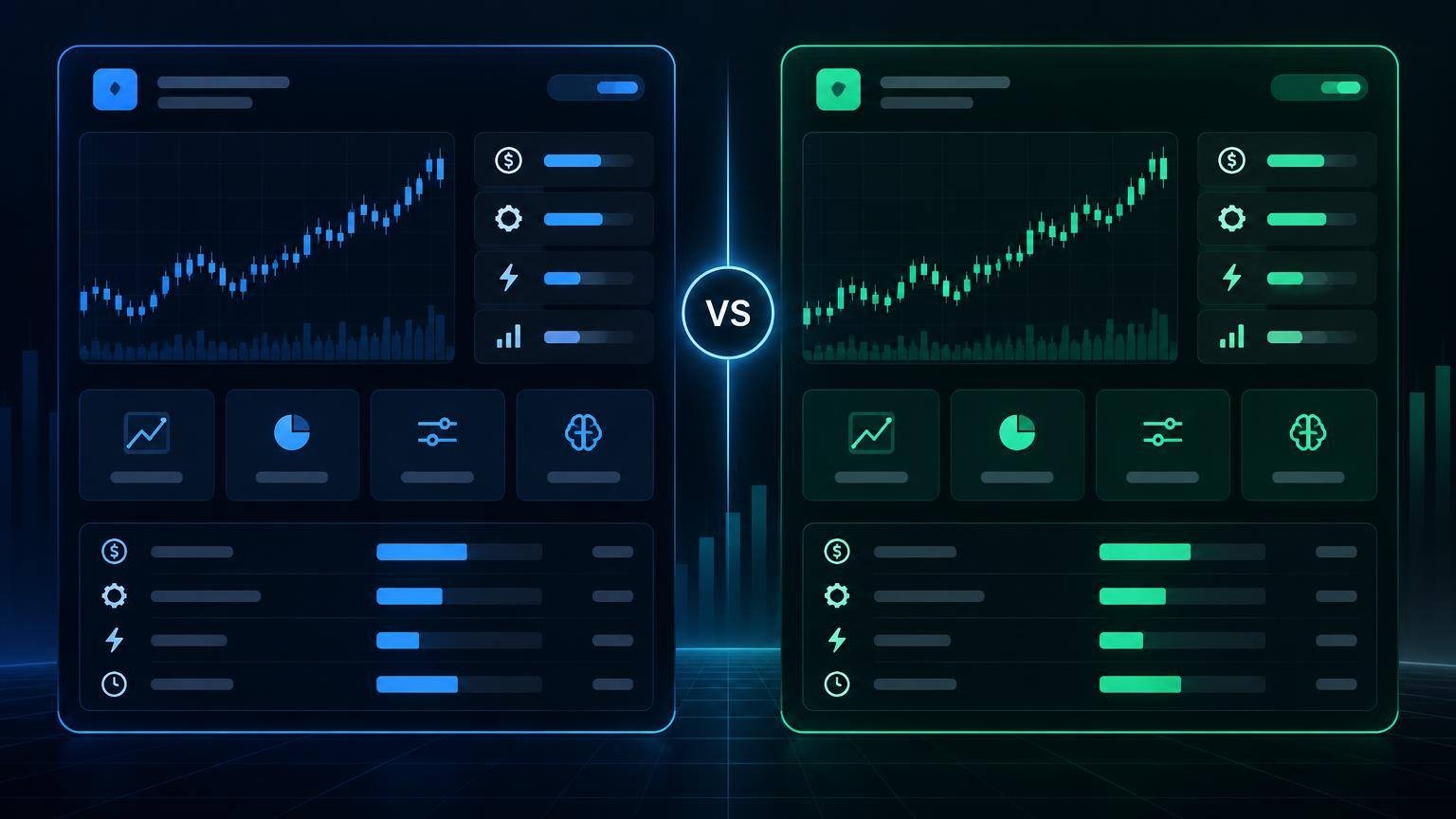
Review the current NinjaTrader offer and compare it with your execution, market-data and risk-management requirements.
The TradeboticsAI Page Factory AI Test uses a practical editorial workflow instead of relying on a single AI-generated draft. The process begins with a defined topic, exact focus keyword, intended audience, and content requirements. The system then generates a draft that is checked for structure, search intent, risk language, and completeness.
The next stage is human review. An editor should verify every current or material factual claim, inspect external sources, remove unsupported statements, and confirm that any product or service description reflects the correct version. This matters because AI-generated content can combine accurate general knowledge with a small number of confident but incorrect details.
The final stage is publication readiness. The page is checked for title and metadata quality, heading hierarchy, anchor links, disclosure placement, table markup, mobile readability, and internal consistency. For a financial website, publication readiness should also include a review of whether the wording could reasonably be interpreted as a promise of profit or a personalized recommendation.
| Evaluation area | What a strong result looks like | Common failure |
|---|---|---|
| Intent matching | Answers the reader’s main questions early | Repeats the keyword without adding useful information |
| Accuracy | Uses verifiable, current, clearly qualified claims | Invents specifications, results, prices, or partnerships |
| Risk communication | Explains uncertainty, loss potential, and operational limitations | Uses hype, certainty, or guaranteed-profit wording |
| Usability | Has clear headings, examples, tables, and practical next steps | Produces a long but generic article |
| Maintenance | Can be updated when tools, fees, or rules change | Publishes permanent-sounding claims about temporary facts |
Features and Workflow
On order handling, TradeboticsAI Page Factory AI Test should be tested for the required order types.
On data, TradeboticsAI Page Factory AI Test should be checked for coverage, latency and historical depth.
A useful AI page factory generally combines several functions rather than treating content generation as one prompt. The workflow may include keyword interpretation, outline creation, source collection, drafting, formatting, metadata generation, compliance review, and publishing automation. Each function creates a different type of risk and should have its own check.
Structured briefs
A detailed brief improves consistency. It should specify the audience, geographic market, content purpose, prohibited claims, required sections, sources, disclosure language, and whether the page is reviewing a live product, a simulated workflow, or an internal publishing test. The more ambiguous the brief, the more likely the output will fill gaps with assumptions.
Source-aware drafting
AI can help organize information from official documentation, exchange materials, broker disclosures, and regulatory education pages. However, source collection is not the same as source validation. Editors should confirm that a source actually supports the statement being made and that the information applies to U.S. readers.
Automated formatting
Automation can insert page titles, calls to action, internal links, images, metadata, and required HTML components. This is efficient, but it creates a dependency on the publishing pipeline. A formatting bug can produce duplicate headings, broken anchors, missing images, invalid markup, or disclosures in the wrong location. Every automated template needs a rendered-page inspection before publication.
Quality scoring
A scorecard can make review more repeatable. Useful scoring categories include intent coverage, factual support, readability, risk clarity, originality, technical SEO, and update requirements. A score is not proof that an article is correct. It is only a signal that helps an editor decide where to spend attention.
Practical Use Cases
On reliability, TradeboticsAI Page Factory AI Test should be tested for disconnects and recovery behavior.
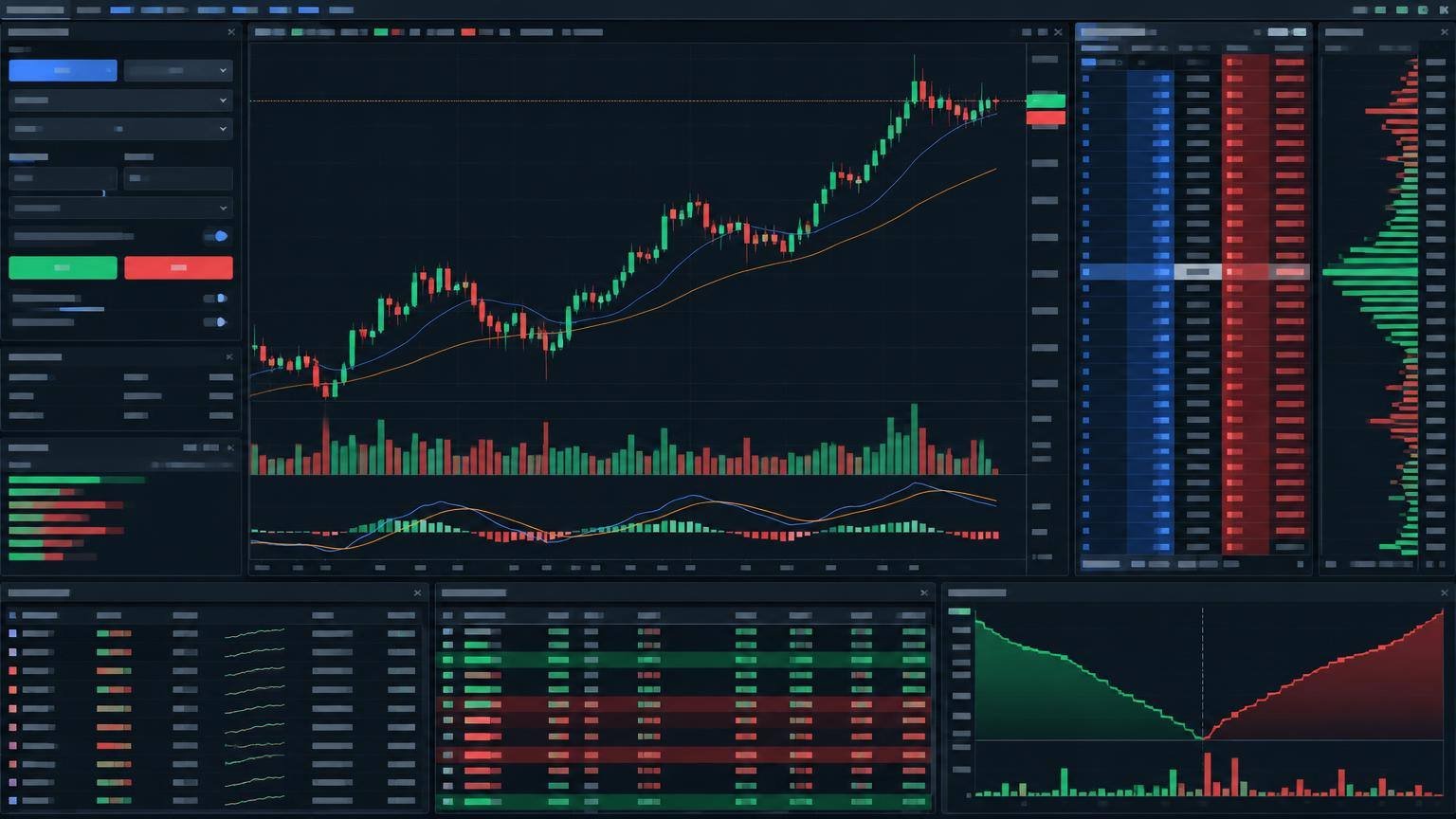
The TradeboticsAI Page Factory AI Test is most useful when the workflow has a defined editorial purpose. It can support the following use cases:
- Educational explainers: Drafting introductions to futures contracts, order types, market data, charting concepts, and trading technology.
- Software comparison pages: Organizing differences in integrations, data access, automation options, support, and pricing while leaving final verification to an editor.
- Risk and workflow checklists: Turning a complex process into a practical checklist for testing, monitoring, and documenting a system.
- Content refreshes: Identifying outdated sections, broken links, missing disclosures, and terminology that needs review.
- Internal publishing operations: Standardizing headings, HTML structure, metadata, and quality-control steps across a large content library.
It is less suitable for publishing real-time market calls, individualized trading instructions, unverified broker claims, or performance claims generated from incomplete testing. Content that can influence a reader’s financial decision deserves a slower review process than a general glossary entry.
Costs and Hidden Costs
On pricing, TradeboticsAI Page Factory AI Test should be reviewed when platform or exchange fees change.
The visible cost of an AI content workflow may be a software subscription or usage-based model fee. The total cost is usually higher. Teams also need to account for research time, editing, source verification, compliance review, image licensing, hosting, analytics, maintenance, and the opportunity cost of correcting pages that should not have been published.
Trading-technology content can create additional costs when it requires paid market data, specialist review, legal review, software access, or hands-on testing. If a page describes a platform, the publisher may need to verify the current interface, supported markets, data permissions, and billing terms. A generic AI summary cannot replace those checks.
| Cost category | What to consider |
|---|---|
| AI usage | Subscription tiers, usage limits, model fees, and API costs |
| Research | Time required to locate and verify primary sources |
| Editorial review | Subject-matter, compliance, copyediting, and fact-checking labor |
| Operations | CMS maintenance, templates, analytics, monitoring, and updates |
| Failure cost | Reputation damage, corrections, lost traffic, or reader confusion |
Pros and Cons
On usability, TradeboticsAI Page Factory AI Test should be compared using repeatable day-to-day tasks.
Pros
- Speeds up outlining, first drafts, formatting, and content refreshes.
- Creates repeatable page structures for large publishing programs.
- Can surface missing sections, weak explanations, and inconsistent terminology.
- Supports useful checklists and educational content when the brief is specific.
- Makes editorial quality criteria easier to document and audit.
Cons
- Can produce confident inaccuracies if sources and prompts are weak.
- May flatten complicated trading risks into generic language.
- Requires human review for current facts, financial claims, and compliance concerns.
- Automation can introduce technical publishing errors at scale.
- Subscription costs may be small compared with the cost of expert oversight and maintenance.
Limitations and Risks
On automation, TradeboticsAI Page Factory AI Test should be tested before any live deployment.
The main limitation is that an AI page factory optimizes language and workflow, not truth by default. A polished article can still be wrong. Models may infer a product feature, confuse a simulated result with live performance, or repeat an outdated claim. The presence of citations also does not guarantee that the cited page supports the entire sentence.
There are operational risks as well. A content pipeline may publish the wrong version of a page, overwrite a manual correction, insert a broken link, or fail to update a time-sensitive statement. Search optimization can also become counterproductive if keyword repetition damages readability or encourages thin, repetitive pages.
For trading audiences, the most important risk is misplaced confidence. Backtests can suffer from look-ahead bias, survivorship bias, unrealistic fills, incomplete fees, and changing market conditions. Simulated trading may not reflect slippage, liquidity, latency, psychology, or order rejection in live markets. Live results add real capital risk and should never be inferred from a draft article or a historical chart.
Who It Is For and Who It Is Not For
On backtesting, TradeboticsAI Page Factory AI Test should use realistic costs and execution assumptions.
It may be appropriate for
- Publishers building a repeatable editorial workflow.
- Trading-technology teams creating educational documentation.
- Editors who want faster drafts without removing human review.
- Researchers organizing complex material before writing a final explanation.
It is not appropriate for
- Readers looking for guaranteed trading profits or risk-free strategies.
- Anyone treating an AI-generated article as personalized financial advice.
- Teams that cannot verify claims before publication.
- Organizations that want to publish live market guidance without a controlled review process.
FAQ
On simulation, TradeboticsAI Page Factory AI Test should be evaluated separately from live performance.
What is the TradeboticsAI Page Factory AI Test?
The TradeboticsAI Page Factory AI Test is an editorial evaluation of how well an AI-assisted page production workflow handles structure, search intent, factual support, risk disclosure, formatting, and publication readiness.
Is this a trading strategy backtest?
No. It is a content and workflow test. It does not establish that an AI system can predict markets, generate profitable trades, or replace a qualified trading professional.
Can AI-generated trading content be trusted without review?
No. AI output should be treated as a draft. Current facts, product details, regulatory information, costs, and performance claims require verification against appropriate primary sources.
Does a polished page prove that the underlying information is accurate?
No. Readability and accuracy are separate qualities. A well-written page can contain unsupported or outdated claims, which is why source checking and human approval remain essential.
What should readers check before acting on information?
Check the date, source, assumptions, fees, execution limitations, and whether the statement describes simulated, backtested, or live results. Consider consulting a qualified professional for advice suited to your circumstances.
Final Verdict
On controls, TradeboticsAI Page Factory AI Test should support clear stops, limits and emergency procedures.
The TradeboticsAI Page Factory AI Test supports a cautious conclusion: AI can make financial publishing faster and more consistent, but only when it operates inside a controlled editorial system. The highest-value use is not automatic publication. It is reducing repetitive work while giving human reviewers more time to investigate sources, improve explanations, and identify risk.
For a U.S. trading-technology website, the best workflow combines a detailed brief, primary-source research, human fact-checking, clear separation of simulated and live results, technical QA, and routine updates. Teams that skip those controls may gain speed while creating avoidable accuracy, compliance, and reputation problems.
Use this test as a framework for evaluating process quality, not as evidence of trading performance. AI is a production aid. It is not a substitute for judgment, testing, risk management, or accountability.
Affiliate & Risk Disclosure
On market data, TradeboticsAI Page Factory AI Test should match the products and sessions being traded.
Affiliate & Risk Disclosure: This page may contain affiliate relationships, and TradeboticsAI.com may earn compensation when readers use certain links. Compensation does not guarantee favorable coverage. Futures and other leveraged products involve substantial risk and are not appropriate for every investor. Losses can exceed expectations, and past, simulated, or backtested performance does not guarantee future results. Nothing on this page is personalized financial, investment, tax, or legal advice. Review official disclosures and seek independent professional advice before making a trading or technology decision.
If NinjaTrader fits your requirements, review the official registration flow and current platform details before making a decision.